

Tips for Adjusting to Your New Complete Dentures in Hamilton
August 1, 2026Getting complete dentures in Hamilton, ON, is an important step toward restoring everyday comfort after tooth loss. The first few weeks, however, can feel different from what you expected. Meals may take longer, certain words may sound unfamiliar, and your gums might need time to adapt. These early changes are expected as your mouth gradually adapts to wearing dentures. With patience, proper care, and follow-up visits, many people become more comfortable wearing their dentures and regain confidence in daily activities.
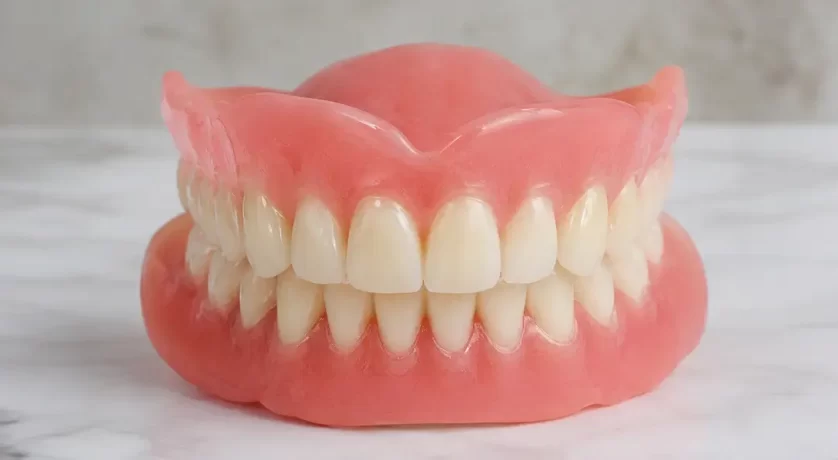
What to Expect After Getting Complete Dentures in Hamilton, ON
Your mouth needs time to adapt to a new appliance. Even carefully fitted dentures can initially feel bulky or unfamiliar because your muscles and soft tissues are learning to work with them.
During the first few weeks, you may notice:
- Mild soreness or pressure in certain areas
- Increased saliva production
- A feeling of fullness inside the mouth
- Minor changes in chewing and pronunciation
Most of these changes gradually settle as your mouth becomes accustomed to the dentures. Regular follow-up appointments allow your dental provider to assess the fit and make changes if needed.
Common Challenges Patients Experience During Adjustment
Learning to wear dentures involves more than replacing missing teeth. Everyday routines often require small changes before they begin to feel natural again.
Common concerns include:
- Difficulty chewing tougher foods
- Small sore spots caused by pressure
- Dentures shifting during meals
- Speaking certain words differently
- Feeling less confident in social settings
These concerns are usually temporary. If discomfort continues or your dentures feel unstable, an oral examination can help determine whether adjustments are necessary.
Tips for Eating Comfortably With New Dentures
Many people find that eating takes the longest to feel comfortable after getting new dentures. Starting slowly allows your muscles to develop better control.
Helpful strategies include:
- Begin with soft foods such as yogurt, scrambled eggs, cooked vegetables, or oatmeal.
- Cut food into smaller bites.
- Chew evenly on both sides to help balance pressure.
- Introduce firmer foods gradually as comfort improves.
- Avoid very sticky or extremely hard foods during the early adjustment period.
Many people notice steady improvement over several weeks as their chewing pattern becomes more natural.
How to Improve Speech While Wearing Dentures
Speech changes are common after tooth replacement because the tongue and lips need time to adapt.
You can improve pronunciation by:
- Reading aloud for several minutes each day.
- Practising words that contain “S,” “F,” and “TH” sounds.
- Speaking slowly until your muscles adjust.
- Remaining hydrated to reduce mouth dryness.
Consistent practice helps many patients regain clear, comfortable speech within a relatively short period.
The Importance of Proper Denture Cleaning and Care
Cleaning your dentures each day supports good oral health and helps preserve their condition over time.
A simple care routine includes:
- Removing dentures every day for cleaning.
- Choosing a gentle denture brush and a cleanser formulated specifically for removable dentures.
- Rinsing after meals when possible.
- Soaking dentures overnight if recommended by your dental provider.
- Cleaning your gums, tongue, and palate with a soft toothbrush before reinserting them.
Regular cleaning helps reduce plaque accumulation, odours, and staining while keeping oral tissues healthier.
How Implant-Supported Options Improve Stability
Some patients continue to experience movement of removable dentures despite careful fitting. Depending on individual oral health, implant-supported dentures may provide additional stability by attaching the denture to dental implants placed within the jawbone.
This option may help:
- Reduce movement while eating.
- Improve chewing efficiency.
- Increase confidence during conversation.
- Provide a more secure fit.
For patients missing only one tooth rather than an entire arch, single-tooth implants may be discussed as an alternative during treatment planning. Your dental provider can explain which solution is appropriate based on your oral health, bone support, and personal goals.
Signs Your Dentures May Need an Adjustment
Even well-made dentures may require occasional modifications because the mouth naturally changes over time.
Contact your dental provider if you experience:
- Persistent sore spots
- Difficulty keeping dentures in place
- Clicking during speech
- Pain while chewing
- Changes in the way your bite feels
Prompt adjustments can improve comfort and help prevent unnecessary irritation.
If you have older appliances that no longer fit comfortably, a visit to a denture clinic in Hamilton can help determine whether relining, adjustment, or replacement is appropriate.
Practical Takeaways for Everyday Comfort
A few simple daily habits can make the adjustment process smoother and more comfortable.
- Wear your dentures as instructed.
- Practise eating gradually rather than rushing meals.
- Keep follow-up appointments for fit assessments.
- Maintain consistent cleaning habits.
- Report ongoing discomfort instead of trying to adjust dentures yourself.
Final Thoughts
Adjusting to complete dentures in Hamilton, ON, takes patience, practice, and regular follow-up care. As your mouth adapts, everyday activities like eating, speaking, and smiling often become more comfortable. If you have questions about fit, function, or replacement options, the team at Lily Dental – Hamilton can provide a thorough assessment, discuss suitable treatment choices, and help you maintain long-term oral comfort and function.
Frequently Asked Questions
Many people begin feeling more comfortable within several weeks, although complete adaptation varies depending on individual circumstances.
Yes. Mild soreness can occur while your mouth adjusts. Persistent discomfort should be assessed by a dental professional.
Many dental professionals recommend removing dentures overnight to allow oral tissues to rest, unless specific instructions differ.
Movement can occur during the adjustment period or if the fit changes over time. A professional evaluation can determine whether an adjustment is needed.
Not always. Depending on your oral health, options such as full dentures or implant-supported solutions may be discussed during treatment planning.