

How Invisalign Aligners in Hamilton Can Help Fix Misaligned Teeth
July 20, 2026If crowded or crooked teeth have been bothering you, you may be wondering whether there is a discreet way to improve your smile without wearing metal braces. The good news is that many alignment concerns can often be addressed with clear aligners. If you're considering Invisalign aligners in Hamilton, ON, understanding how the process works can help you make an informed decision. Whether you live in Hamilton, Ancaster, Dundas, Stoney Creek, Waterdown, or Burlington, learning about your options is the first step toward a healthier bite and a more confident smile.
What Causes Misaligned Teeth?
Misaligned teeth can develop for many reasons, and not all of them are preventable. In some cases, genetics determine how the teeth and jaws develop. In others, everyday habits during childhood or changes over time contribute to alignment issues.
Common causes include:
- Genetics and inherited jaw size
- Thumb sucking or prolonged pacifier use
- Early or delayed loss of baby teeth
- Jaw growth differences
- Teeth shifting after previous orthodontic care
- Injuries affecting the mouth or jaw
Alignment concerns can affect more than appearance. They may make brushing and flossing more challenging, allowing plaque to collect in areas that are harder to reach. Over time, this may increase the risk of tooth decay and gum disease.
How Invisalign Aligners Correct Crooked and Crowded Teeth
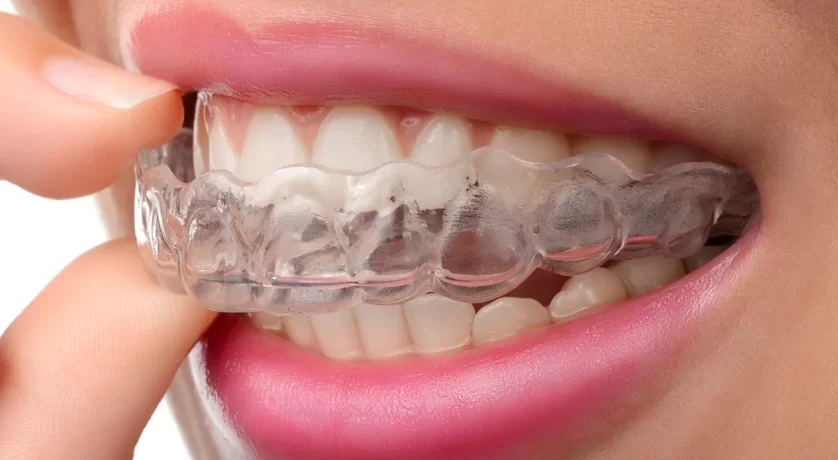
Unlike traditional braces that rely on brackets and wires, Invisalign aligner treatment uses a series of custom-made clear trays that gradually move teeth into planned positions.
Treatment usually begins with a comprehensive orthodontic consultation that includes a digital smile assessment. Using detailed digital scans, your dentist develops a personalized treatment plan based on your bite, tooth position, and smile goals.
Throughout treatment, patients receive new sets of aligners at scheduled intervals and attend regular monitoring appointments to evaluate progress and make adjustments as needed.
Common Bite Problems Invisalign Can Treat
Clear aligners may be appropriate for many mild to moderate orthodontic concerns, including:
- Crowded teeth
- Small gaps between teeth
- Mild overbite
- Mild underbite
- Crossbite
- Open bite in selected cases
Not every bite problem can be treated with aligners alone. Your consultation allows your dentist to evaluate your teeth and bite before recommending the orthodontic treatment that best fits your needs.
Benefits of Choosing Clear Aligners Instead of Metal Braces
Many people choose Invisalign clear braces because they fit comfortably into everyday life while providing an effective orthodontic option.
Some potential advantages include:
- Nearly transparent appearance
- Removable for eating and drinking
- Easier brushing and flossing
- Smooth plastic material without metal wires
- Fewer dietary restrictions
- Predictable digital treatment planning
While clear aligners offer convenience, achieving the desired outcome depends on wearing them as instructed, typically for 20 to 22 hours each day.
What to Expect During the Invisalign Treatment Process
Every smile is different, but treatment generally follows several key stages:
- Initial examination and digital assessment.
- Creation of a customized treatment plan.
- Fabrication of custom aligners.
- Wearing each aligner for the recommended period.
- Regular follow-up visits to monitor tooth movement.
- Retainer use after treatment to help maintain results.
This gradual approach allows teeth to move in a controlled manner while supporting healthy surrounding tissues.
Tips for Achieving the Best Invisalign Results
Patients play an important role in treatment success.
To help your aligners work effectively:
- Wear them for the recommended number of hours each day.
- Remove them before eating or drinking anything except water.
- Clean aligners regularly using appropriate cleaning methods.
- Brush and floss before reinserting aligners.
- Attend scheduled review appointments.
- Wear retainers after treatment as instructed.
Following these recommendations helps keep treatment progressing according to plan.
Why Before-and-After Photos Help You Understand Treatment Outcomes
The Invisalign before-and-after pics on the website offer a helpful way to see how treatment plans are tailored for different alignment concerns. These images illustrate how treatment plans are customized rather than suggesting identical outcomes for every patient.
The final results can differ from person to person depending on the position of the teeth at the start of treatment, bite complexity, consistent aligner wear, and oral health.
Final Thoughts
Straight teeth contribute to more than appearance. They can also support easier oral hygiene and improved bite function. If you’re exploring teeth-straightening options, scheduling a consultation allows your dentist to evaluate your needs, discuss suitable treatment options, and explain what you can realistically expect. At Lily Dental, patients receive individualized care designed to support informed decisions and long-term oral health.
Frequently Asked Questions
How long treatment takes varies from person to person based on the complexity of their alignment needs. Many mild to moderate cases are completed within several months to about two years, although individual timelines differ.
Some people experience mild pressure when changing to a new aligner. This sensation is generally temporary and reflects active tooth movement.
Yes. Many adults choose aligners because they provide a discreet orthodontic option while fitting into professional and social routines.
Yes. Retainers help maintain the new tooth positions after active orthodontic treatment is complete.
Medical References
- Canadian Dental Association. Oral Health Resources. https://www.cda-adc.ca
- Canadian Association of Orthodontists. Clear Aligner Information. https://www.cao-aco.org
- American Association of Orthodontists. Clear Aligners. https://aaoinfo.org