

Why Porcelain Crowns Are a Top Choice for Repairing Damaged Teeth?
May 1, 2026Damage to a tooth changes how the biting force travels through the enamel into the dentin and root. Once a crack reaches deeper layers, bacteria can move toward the pulp and trigger inflammation...
What Are Porcelain Crowns?
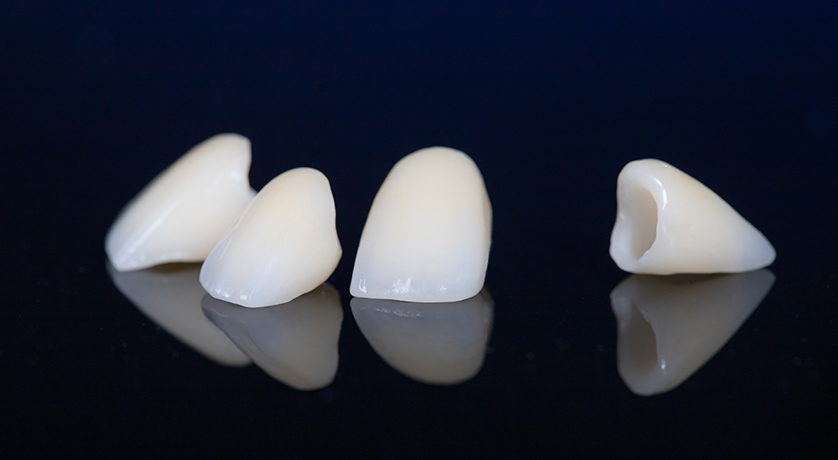
A porcelain crown is a full-coverage cap placed over a tooth after decay and weak enamel are removed. Among different types of dental crowns, porcelain is often selected when both structural reinforcement and natural appearance are needed. The surface is reshaped in a controlled way so the ceramic can fit without placing excess pressure on the nerve. Digital scans or impressions help coordinate the bite so opposing teeth contact evenly rather than concentrating force in one spot.
If the pulp shows irreversible inflammation, root canal therapy is completed first to clear infected tissue and seal the canal. Once the inner space is disinfected and sealed, the crown protects the tooth from splitting under load. Healthy gum tissue is necessary before final bonding because swollen tissue can interfere with margin adaptation and increase plaque retention.
Common Reasons Teeth Need Crowns
Clinical findings guide the placement of teeth crowns. A crown may be appropriate in situations such as:
- A cavity removes most of the enamel, leaving unsupported cusps prone to breaking
- A fracture line extends into dentin and increases the risk of pulpal irritation risk
- After root canal treatment, a tooth may lose some internal moisture and flexibility, which can increase the risk of fracture under pressure
- Long-term grinding alters alignment and overloads specific contact points
- A break weakens the crown portion of the tooth but remains above the bone level
Occasionally, a cosmetic dentist in Hamilton reviews teeth with severe discoloration or shape irregularities. Even then, stability of the root, absence of infection, and healthy gum attachment determine whether full coverage is justified.
How Porcelain Crowns Restore Damaged Teeth
Treatment begins with the removal of decayed tissue and unsupported enamel. The inner core is inspected to confirm it can anchor a restoration securely. If retention is inadequate, a bonded buildup reinforces the center before proceeding.
A temporary crown shields exposed dentin while the gum margin stabilizes and bite contacts are rechecked. During final placement, the ceramic is bonded and adjusted so pressure spreads across the arch rather than concentrating on one edge. Balanced contact reduces strain on the periodontal ligament and helps preserve bone height over time.
Follow-up appointments allow inspection of the gum line and evaluation for early leakage. While some people look at dental crown before and after images on website pages, radiographs and tactile examination provide the information needed to judge structural readiness.
Benefits of Choosing Porcelain Crowns
Material selection depends on strength requirements and tissue response. Porcelain bonds to enamel and can form a close margin when properly prepared. A well-sealed edge limits bacterial penetration, although no restoration completely prevents future decay.
Clinical considerations include:
- Contours shaped to support natural gum attachment
- Even load distribution across the chewing surfaces
- No underlying metal, which can become visible if gum recession occurs
If uneven alignment contributes to fracture risk, orthodontic correction may be reviewed during a free Invisalign consultation, depending on bone levels and occlusal balance.
Porcelain Crowns vs. Other Crown Materials
Choice of material is based on functional demand. Metal crowns tolerate heavy bite forces but remain visible. Porcelain fused to metal offers internal strength with outer coverage; however, gum recession over time may expose a dark margin that can irritate tissue.
All-ceramic crowns provide consistent composition without a metal sublayer. In cases of limited bone height or severe grinding, stronger alternatives may be selected to reduce fracture likelihood. Each situation requires evaluation of mobility, radiographic bone levels, and contact patterns before confirming the final option.
An examination at a dental clinic in Hamilton typically includes bite analysis, percussion testing, and imaging to review root and bone condition prior to proceeding.
Durability and Strength of Porcelain Crowns
Long-term performance depends on bonding quality, oral hygiene, and control of mechanical stress. Repetitive grinding can introduce microcracks within ceramic material, so protective night guards are recommended when wear patterns are present.
Inflammation around the gum margin can compromise the seal and allow bacterial accumulation. Routine recall visits help identify marginal changes, bone level shifts, or imbalance in bite forces early.
A crown strengthens a weakened tooth but does not eliminate all risk. Trauma, poor hygiene, or shifting alignment can affect its lifespan.
Final Thoughts
Full coverage is recommended when the remaining enamel cannot safely handle chewing pressure and when protecting the pulp or supporting bone is necessary. The decision follows clinical examination, radiographic interpretation, and assessment of gum attachment. Risks, material options, and healing expectations are reviewed before treatment begins.
At Lily Dental – Hamilton, restorative planning is based on measurable structural findings and careful evaluation of tissue health rather than cosmetic preference alone.