

Understanding the Types of Dentures: Which Is Right for You?
April 1, 2026If you are considering full and partial dentures in Hamilton, ON, you may be wondering which type best fits your needs. Dentures are a common form of missing teeth replacement...
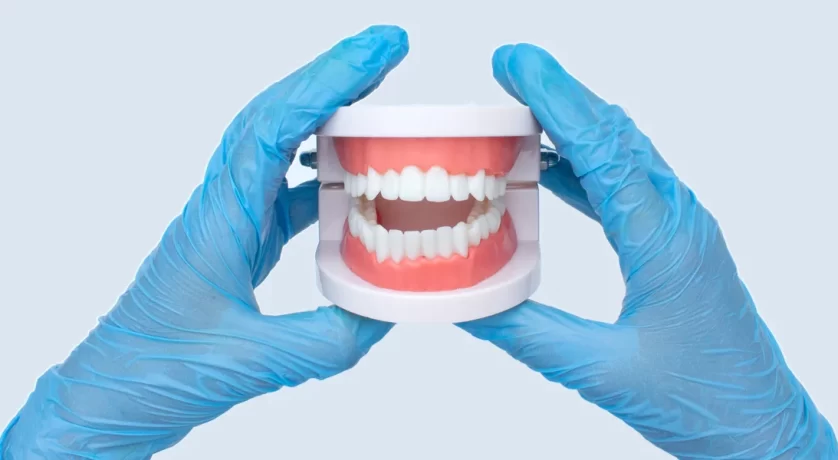
How Dentures Replace Missing Teeth
Dentures are custom-made prosthetic devices that replace lost teeth and restore oral function. Many people call them false teeth, but modern dentures are designed for a better fit and a more natural appearance than older versions.
Traditional dentures sit over the gums and maintain stability through tissue contact and normal muscle movement. Some designs attach to dental implants, which anchor them directly to the jawbone.
After tooth loss, the bone in that area slowly shrinks because it no longer receives stimulation from chewing. Dentures improve chewing and facial support, but traditional types do not prevent bone loss unless implants support them.
A precise fit helps prevent sore spots and irritation. Over time, the gums and bone can change shape, so regular dental visits are important for adjustments.
When Complete or Partial Dentures Are Recommended
The type of denture recommended depends on how many natural teeth remain and the condition of your gums and bone.
Complete Dentures
Complete dentures are used when all teeth in the upper or lower arch are missing. They are shaped to fit over the gums and adjusted to improve comfort and retention.
These dentures rely on the contour of the gums, saliva, and muscle control to stay in place. Most patients need time to adjust to speaking and chewing with them.
Partial Dentures
If natural teeth are still present, a partial denture may be recommended. They are secured to those teeth with clasps or internal attachments to improve stability. This helps maintain spacing and prevents nearby teeth from shifting.
Both options are part of full and partial dentures in Hamilton, ON, and selection is based on clinical findings.
Dentures Supported by Dental Implants
Implant-supported dentures connect to titanium posts placed in the jawbone. These posts act like artificial roots.
Implants provide firm support for the denture, reducing movement during meals and conversation. They also stimulate the bone during function, which can help limit further bone loss.
Treatment includes a surgical procedure and a healing period before the denture is secured. A thorough exam is necessary to determine if bone density and overall health allow for implant placement.
Removable and Fixed Options
Dentures may be removable or fixed.
Removable dentures are taken out daily for cleaning. They are often less expensive at the start and easier to repair if damaged.
Fixed dentures are attached to implants and remain in place. They usually provide a stronger biting function and better stability. However, they require careful cleaning around the implants to reduce the risk of infection.
The final decision should consider comfort, budget, medical history, and long-term maintenance.
Materials Used to Make Dentures
Modern dentures are made from materials chosen for strength and appearance.
Acrylic resin is frequently used to form the base portion of the denture because it provides reliable support. Replacement teeth may be acrylic or porcelain. Some partial dentures use flexible materials that adapt closely to gum tissue.
Acrylic teeth are lightweight and cost-effective. Porcelain teeth are more resistant to wear and staining but may be heavier.
Today’s dentures are customized in tooth shape, size, and shade to create natural looking dentures that blend with facial features.
Benefits and Limitations of Each Type
Each denture type has advantages and limitations.
Traditional complete dentures have lower upfront costs and do not require surgery. However, they may shift slightly and do not prevent long-term bone reduction.
Partial dentures preserve remaining teeth and help maintain bite alignment. Visible clasps and the need for careful cleaning are possible drawbacks.
Implant-supported dentures offer greater stability and improved chewing strength. They involve surgery, a higher cost, and a healing period.
Dentures can crack if dropped or exposed to strong biting forces. If damage occurs, seek professional care instead of attempting repairs at home. Clinics that provide emergency denture repair can safely restore function.
Choosing the Right Denture
Selecting the appropriate denture involves reviewing bone levels, gum health, and overall medical condition. Imaging may be needed to assess jawbone support.
Replacing missing teeth restores biting ability, improves speech, and supports facial structure. Understanding how each option works helps you choose a solution that fits your clinical needs.
At Lily Dental, treatment planning focuses on long-term function and the health of supporting tissues.