

Why Is There a Gap or Dark Line Near My Crown?
October 5, 2026A dark line near a crowned tooth can be noticeable when the restoration no longer blends smoothly with the surrounding gum. For patients with porcelain crowns in Hamilton, ON, several factors may explain the change, including gum recession, exposed restorative material, surface staining, or a problem near the crown edge. A dark area does not automatically mean the restoration has failed. A professional should evaluate persistent pain, sensitivity, swelling, looseness, or food trapping.
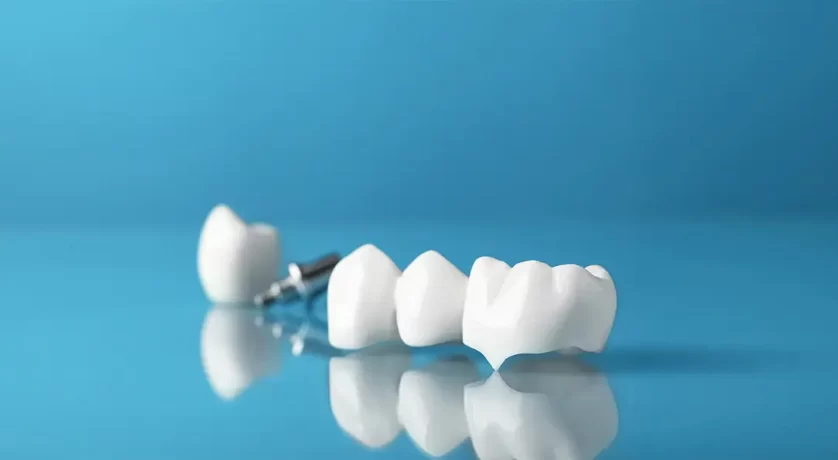
What Causes a Gap or Dark Line Around a Crown?
The point where a crown joins the prepared tooth is called the margin. If the gum gradually moves away from this area, part of the natural root or restoration edge may become visible.
Some porcelain-fused-to-metal restorations can show a darker border when the gum recedes. Staining or the colour of the tooth beneath the crown can also affect what you see. The appearance of tooth crowns can vary with the restorative material, underlying tooth colour, gum position, and crown design.
Is a Dark Line Always a Sign of a Dental Problem?
Not necessarily. A stable dark edge may be an appearance concern, particularly when metal from an older restoration becomes visible.
The situation deserves closer attention when the line is new or accompanied by tenderness, bleeding, an unpleasant taste, movement, or repeated food collection around dental crowns. Those findings can have several explanations, so appearance alone is not enough to determine the cause.
How Gum Recession Can Affect Crown Appearance
- Visible crown edge: When the gums recede, more of the tooth or crown margin may become exposed, creating a darker line near the gumline.
- Increased sensitivity: Exposed root surfaces may feel more sensitive to cold foods, sweet items, or brushing.
- Clinical evaluation: A dentist can examine the gums, crown contour, plaque levels, and supporting tissues to determine whether monitoring or treatment is appropriate.
Can Decay Develop Around a Dental Crown?
Yes. The crown itself cannot develop a cavity, but the natural tooth at or beneath its edge can still be affected by decay. Plaque can accumulate where the restoration meets the tooth, especially when that area becomes difficult to clean.
Decay around a crown may develop without obvious pain at first. The Canadian Dental Association advises maintaining daily brushing and interdental cleaning around restored teeth. A dentist may also recommend X-rays when clinically appropriate to check areas that cannot be viewed directly.
What Happens When a Crown No Longer Fits Properly?
A crown can begin to feel different if its cement seal deteriorates, the restoration loosens, the supporting tooth fractures, or decay affects tooth structure beneath the margin. Gum recession can also expose an edge that was previously hidden.
Warning signs can include movement while chewing, a rough border, persistent food packing, or an unexpected change in the bite. Depending on the findings, the dentist may recommend monitoring, cleaning, adjustment, repair, or replacement rather than assuming a new crown is automatically required.
When Should You Have a Crown Examined?
Arrange an assessment if a visible gap or dark area is new, enlarging, or not settling. Ongoing sensitivity, pain when biting, swelling, bleeding, looseness, or a bad taste also deserves attention.
Patients seeking cosmetic dental care from a cosmetic dentist in Hamilton should first have the tooth, crown, and surrounding tissues evaluated. This helps establish whether the concern involves aesthetics, gum health, the crown margin, or the supporting tooth.
Understanding Crown Results Through Before-and-After Images
Photographs from previous cases can help explain differences in shade, contour, tooth proportions, and gum display. They are most useful as visual examples rather than predictions of a particular result.
When reviewing dental crown before-and-after images on the website, remember that every tooth starts with different anatomy, gum levels, bite forces, and underlying colour. These factors can affect both appearance and treatment planning, so photographs should support a consultation rather than replace an individual assessment.
A Visible Line Deserves the Right Explanation
A dark border or small gap beside a crown may come from the restoration material, gum recession, staining, or a problem involving the natural tooth. Identifying the source first helps avoid unnecessary treatment while protecting areas that genuinely require care.
Patients in Hamilton and nearby Dundas, Ancaster, Stoney Creek, Waterdown, and Burlington can contact Lily Dental if a crowned tooth develops a persistent visual or functional change. A dental clinic in Hamilton can assess the crown, gums, bite, and supporting tooth before discussing suitable options.
Frequently Asked Questions
It depends on the cause. A line caused by recession or an exposed crown edge may remain, while surface staining may be managed differently after the area is examined.
No. Gum position, crown contour, or margin exposure can create the appearance of a gap. The restoration should be examined before replacement is considered.
Changes in tooth contact, gum position, or crown shape can create spaces where food becomes trapped. Repeated trapping can irritate the gum and should be checked.
X-rays can reveal concerns hidden during a visual examination, including certain areas of decay or changes around the root. They are used when clinically indicated.
New sensitivity does not reveal its cause on its own. A dentist may investigate recession, bite changes, loss of the crown seal, or changes in the natural tooth.