

The Ultimate Guide to Caring for Your Porcelain Crowns in Hamilton, ON
September 1, 2026A porcelain crown can restore strength, function, and a natural appearance to a damaged tooth, but what happens after treatment matters just as much. If you've recently received porcelain crowns in Hamilton, ON, or you're planning treatment, the way you care for your restorations can affect how well they perform over time. Whether you live in Hamilton, Ancaster, Dundas, Stoney Creek, Waterdown, or Burlington, adopting healthy daily habits helps protect your investment while supporting lasting oral health.
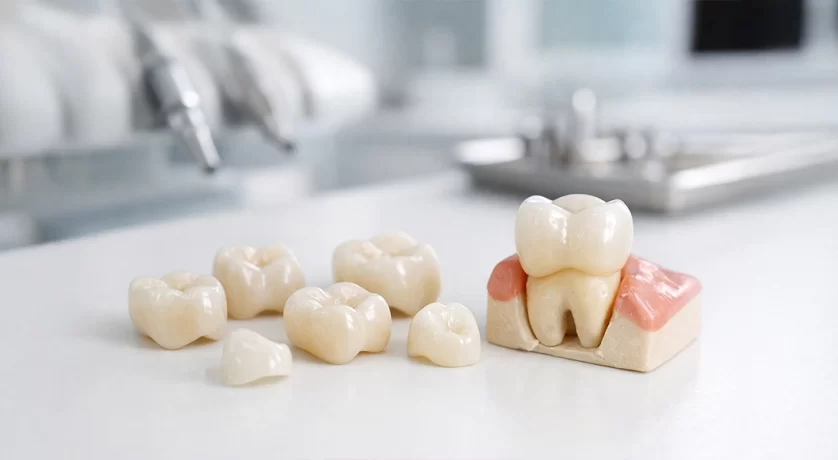
What Are Porcelain Crowns and Why Do They Need Proper Care?
A porcelain crown is individually crafted to fit over a damaged or weakened tooth, helping protect it after problems such as decay, fractures, extensive fillings, or root canal treatment. Although porcelain is durable, the surrounding tooth, supporting gums, and bonding materials still require ongoing care.
Like natural teeth, restorations are exposed to constant chewing forces, temperature changes, and bacteria. Brushing and flossing every day help protect the area around the crown from decay and support healthy gums that provide a stable foundation.
For individuals with newly placed restorations, following the home-care instructions provided after treatment helps protect healing tissues and supports long-term function.
Daily Habits That Help Your Crown Last Longer
Small daily routines often make the biggest difference.
Consider these habits:
- Brush twice daily using a soft-bristled toothbrush.
- Use a non-abrasive fluoride toothpaste.
- Floss carefully around the gumline every day.
- Clean between teeth with interdental brushes if recommended.
- Wear a custom nightguard if you grind or clench during sleep.
- Stay well hydrated to support saliva, which naturally protects teeth.
If you have questions about caring for teeth crowns, ask your dental provider to demonstrate the safest flossing technique around your restoration.
Professional Insight
Clinical studies have shown that well-maintained crowns often remain functional for many years, although longevity varies with oral hygiene, bite forces, lifestyle habits, and regular professional care.
Foods to Eat and Avoid with Porcelain Crowns
Most people can return to a normal diet once their dentist confirms the restoration is functioning properly.
Foods that are generally easier on restorations include:
- Yogurt
- Cooked vegetables
- Eggs
- Fish
- Rice
- Pasta
- Fresh fruit cut into small pieces
Try to limit habits such as:
- Chewing ice
- Biting hard candies
- Opening packages with your teeth
- Chewing pens or fingernails
- Frequently eating very sticky foods that place extra stress on restorations
Making a few simple adjustments to your daily habits can help protect your crown from unnecessary wear and damage.
Common Mistakes That Can Damage Dental Crowns
Many crown problems develop from everyday habits rather than from the restoration itself.
Some common examples include:
- Ignoring bleeding gums around the restored tooth.
- Skipping routine dental examinations.
- Delaying care when a crown feels loose.
- Using abrasive whitening products without professional guidance.
- Continuing to grind teeth without protection.
If a restoration becomes chipped, worn, uncomfortable, or mobile, arranging an assessment promptly often allows smaller problems to be addressed before they become more complex.
Signs Your Crown May Need Repair or Replacement
Crowns do not always require replacement simply because they have been in place for several years.
However, you should arrange an examination if you notice:
- Pain when biting
- Increased sensitivity
- A loose feeling
- Visible cracks or chips
- Gum inflammation around the restoration
- Changes in how your bite fits together
Early evaluation helps determine whether the restoration simply needs adjustment or whether replacement should be considered.
The Importance of Regular Dental Checkups
Routine examinations remain one of the most effective ways to protect restorations and overall oral health.
During these visits, your provider may:
- Examine the margins around the restoration.
- Assess your bite.
- Check surrounding gum health.
- Identify early signs of wear or damage.
- Recommend preventive care based on your individual needs.
When discussing treatment with a cosmetic dentist in Hamilton, you should receive clear information about your options, along with the potential benefits and limitations of each approach.
How Before-and-After Photos Showcase Smile Transformations
Many people appreciate viewing dental crown before-and-after images on website resources because they provide realistic examples of how restorations can improve tooth shape, symmetry, and appearance.
These photographs are intended to illustrate possible treatment outcomes rather than predict individual results. Every person’s oral health, bite, tooth structure, and treatment needs are different, so recommendations are always personalized following a comprehensive examination.
If you’re visiting a dental clinic in Hamilton for comprehensive care, discussing your personal goals during a consultation helps determine whether crowns are an appropriate option for your situation.
Final Thoughts on Caring for Porcelain Crowns in Hamilton, ON
Caring for porcelain crowns in Hamilton, ON, involves consistent brushing, flossing, healthy eating habits, and routine professional examinations. Paying attention to small changes, such as discomfort or looseness, can help preserve your restoration and maintain comfortable function for years to come. If you have questions about maintaining your crown or notice any concerns, contact Lily Dental to arrange an examination and discuss the most appropriate next steps.
Frequently Asked Questions
With appropriate home care and regular examinations, many porcelain crowns remain functional for 10 years or longer, although longevity varies from person to person.
Once your dentist confirms the restoration is functioning properly, most people can return to their usual diet while avoiding habits that place excessive force on the crown.
Yes. Daily flossing helps remove plaque around the restoration and supports healthy gums.
Avoid chewing on that side, and promptly arrange an appointment so the restoration can be assessed before additional damage occurs.