

Are Complete Dentures by the Hamilton Dentist the Solution for Your Missing Teeth?
July 1, 2026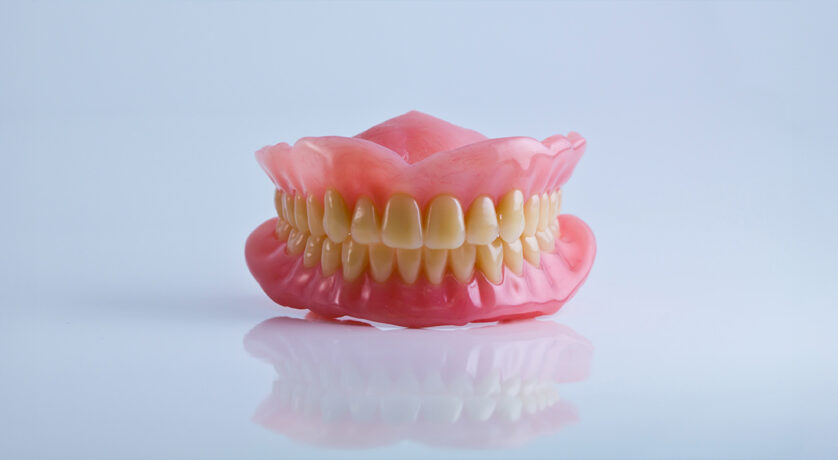
Living without teeth can affect much more than your smile. Many people find it harder to chew certain foods, speak clearly, or feel comfortable in social situations. Tooth loss may also affect facial support over time.
For those exploring complete dentures in Hamilton, ON, becoming familiar with the available treatment options can make the process of selecting a care provider more straightforward. People considering tooth replacement often have questions about comfort, appearance, and long-term function. Speaking with a dentist in Hamilton can help individuals understand the differences between dentures, implant-supported solutions, and other restorative treatments.
What Are Complete Dentures and How Do They Work?
In the absence of a natural tooth complete denture may be used as a removable appliance to restore the upper jaw, lower jaw, or both. Each complete denture is individually crafted to match the contours of the oral tissues and sit securely over the gums.
Each denture contains a full set of replacement teeth attached to a supportive base. The appliance is designed to improve chewing ability, speech, and the appearance of the smile after complete tooth loss.
For individuals who no longer have natural teeth, complete dentures remain one of the most commonly used replacement options.
Who Is a Good Candidate for Full Dentures?
Full dentures may be suitable for people who have lost all of their natural teeth and want to improve daily function and appearance.
A person may be considered for dentures if they:
- Are missing all teeth in one or both arches
- Experience difficulty chewing because of tooth loss
- Notice speech changes after losing teeth
- Prefer a removable tooth replacement solution
- Want to improve facial support affected by tooth loss
Tooth replacement needs vary from one person to another. Factors such as gum health, bone support, medical history, and personal preferences all influence treatment planning. A comprehensive assessment helps ensure recommendations are based on individual circumstances.
Benefits of Choosing Complete Dentures
Replacing missing teeth can improve many aspects of daily life.
Potential benefits include:
- Improved chewing ability
- Better speech support
- Improved facial support
- A more complete smile
- Greater confidence during social interactions
Comfort, function, and fit depend on factors such as oral anatomy, denture design, and regular maintenance.
Comparing Dentures with Implant-Supported Options
Dentures are one of several approaches available for replacing missing teeth. Unlike traditional removable dentures, implant-supported dentures are anchored to dental implants positioned in the jawbone.
Compared with traditional dentures, implant-supported options may offer:
- Increased stability
- Less movement during eating
- Improved retention
- Greater chewing efficiency
In cases where only one tooth is missing, single-tooth implants may be considered.
Some patients may be candidates for more than one treatment approach, which is why a detailed assessment is important before making a decision.
How Dentures Restore Function and Appearance
Missing teeth can affect chewing, speaking, and facial appearance. Dentures help address many of these challenges by replacing lost teeth and supporting oral function.
Dentures can help restore:
- Factors such as jawbone condition, oral health, the number of missing teeth, and patient preferences are carefully considered when developing a treatment plan.
- Clearer speech
- Facial support in areas affected by tooth loss
- The appearance of a complete smile
Many individuals find that everyday activities become easier after adjusting to their dentures.
What to Expect During the Denture Process
The process usually begins with a consultation and oral examination. During this appointment, the dental team evaluates oral health, discusses treatment goals, and reviews available solutions.
The denture process commonly includes:
- Dental examination
- Treatment planning
- Impressions of the mouth
- Measurements for fit and appearance
- Denture fabrication
- Fitting and adjustment appointments
Many people searching for a denture clinic in Hamilton begin with a consultation to discuss treatment options and determine whether complete dentures are suitable for their needs.
Residents of Hamilton and nearby communities, such as Stoney Creek and Ancaster, often consider dentures when seeking a solution for extensive tooth loss.
Tips for Adjusting to New Dentures
Most people need time to adapt to eating, speaking, and caring for the appliance.
The adjustment period may feel easier if you:
- Begin with softer foods
- Cut food into smaller portions
- Practice reading aloud
- Attend scheduled adjustment visits
Comfort generally improves as patients become accustomed to their dentures.
How to Care for Your Dentures
Daily denture care helps maintain hygiene and function.
Recommended care includes:
- Cleaning dentures every day
- Rinsing them after meals
- Storing them properly when not in use
- Handling them carefully to avoid damage
- Attending regular dental examinations
Even without natural teeth, ongoing dental visits remain important. Dentists assess gum health, examine oral tissues, and monitor denture fit over time.
Final Thoughts
For individuals living with complete tooth loss, dentures remain a practical way to regain daily function and improve quality of life. They can support chewing, speech, facial appearance, and overall confidence.
At Lily Dental – Hamilton, treatment recommendations are based on a thorough assessment of oral health, lifestyle needs, and individual goals. A consultation provides an opportunity to discuss available tooth replacement solutions and determine which approach best fits your needs.
Frequently Asked Questions
Dentures may last several years, although changes in the mouth can affect their fit over time. Regular examinations help determine when adjustments or replacements may be needed.
Most people experience an adjustment period. Comfort often improves as the mouth adapts and any necessary adjustments are completed.
Traditional dentures are supported by the gums alone, while implant-supported dentures use dental implants to improve stability and reduce movement during daily activities.
Many individuals return to a varied diet after adapting to their dentures. Starting with softer foods often makes the transition easier.
A dental examination can assess your oral health, discuss treatment goals, and determine whether dentures or another tooth-replacement option may be appropriate.