

The Importance of a Well-Fitting Complete Denture in Hamilton
November 1, 2026If you're missing an entire upper or lower arch, complete dentures in Hamilton, ON can provide a replacement biting surface and improve your smile.
How well the appliance fits matters as much as replacing the teeth themselves. A denture that shifts, rubs the gums, or creates repeated sore spots should be assessed, not simply tolerated.
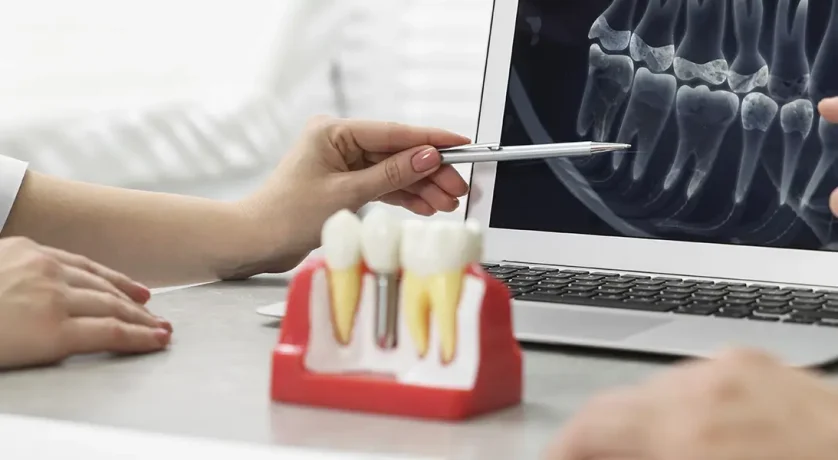
What Are Complete Dentures?
Complete dentures are removable appliances that replace all natural teeth in one dental arch. Artificial teeth are attached to a base designed to rest over the gums and underlying tissues.
Dentists may make full dentures after the mouth has healed following extractions or, in some situations, place them sooner. When supporting tissues change during healing, you may need later adjustments or relining.
Why Is a Proper Fit Important?
Denture stability depends on the shape of the gums and jaw, the bite, saliva, and how the lips, cheeks, and tongue move around the appliance.
When these factors work together, the denture is more likely to stay reasonably secure during eating and speaking. Poor adaptation can lead to movement, pressure points, trapped food, or difficulty chewing.
A review at a denture clinic in Hamilton can determine whether the appliance needs adjustment, relining, repair, or replacement.
How a Well-Fitting Denture Improves Comfort
Mild tenderness can occur while adjusting to a new denture, but ongoing pain or repeated sore areas should not be considered normal.
A well-adapted appliance spreads chewing pressure more evenly across the tissues beneath it. This can reduce concentrated pressure and friction.
Avoid reshaping or repairing a denture yourself. Even a small change can alter the bite or create new irritation.
How Dentures Support Better Chewing and Speaking
Dentures cannot completely match the function of natural teeth, but proper stability can support easier eating and speaking.
A secure appliance gives the tongue and facial muscles a more predictable surface to work around. New wearers may find it helpful to begin with softer foods, take smaller bites, and chew slowly on both sides while adjusting.
Problems Caused by Poorly Fitting Dentures
An unstable appliance can affect both comfort and daily function.
Possible problems include:
- Repeated sore spots
- Red or irritated gums
- Movement while eating or speaking
- Difficulty chewing firmer foods
- Changes in speech
- Food collecting underneath
- Reduced confidence when wearing the denture
Persistent irritation deserves professional assessment, particularly if ulcers, swelling, or other tissue changes develop.
Complete Dentures vs. Implant-Supported Dentures
Implant-supported dentures use dental implants for additional anchorage and may provide greater stability for suitable patients.
Implant treatment is not appropriate for everyone. Dentists must consider bone availability, gum health, medical conditions, medications, smoking history, and treatment goals.
Single tooth implants serve a different purpose. They replace individual missing teeth, while implants used with complete dentures improve denture retention.
How Dentists Ensure a Proper Denture Fit
Creating a denture involves more than selecting replacement teeth.
A dentist may assess:
- Gum and ridge shape
- Jaw relationships
- The way the upper and lower arches meet
- Stability during speech and movement
- Pressure areas
- Appearance and function
You may need more than one visit to refine the bite or make small changes.
Patients can also review before-and-after denture transformations on the website, keeping in mind that results vary.
When Should Dentures Be Adjusted or Replaced?
See a dentist in Hamilton if your denture starts slipping, creates repeated sore areas, feels uneven, or becomes difficult to chew with.
The gums and underlying bone can change over time, which may alter how the appliance sits. Relining or adjustment may improve the fit in some cases.
Consider replacement when a denture is badly worn, cracked, repeatedly repaired, or no longer functions well despite previous modifications.
How to Care for Your Complete Dentures
Daily cleaning helps remove food debris, deposits, stains, and odour.
- Rinse the appliance after meals when practical.
- Use a denture brush or soft toothbrush.
- Choose a cleanser made for dentures.
- Avoid abrasive products.
- Handle the appliance carefully.
- Remove it overnight unless advised otherwise.
- Keep regular dental visits.
Clean the gums, tongue, and palate daily.
Conclusion
A properly fitting denture should support everyday chewing and speaking without repeated slipping, pressure, or irritation. Because the mouth changes over time, even a once-comfortable appliance may eventually need attention.
Patients from Hamilton and nearby communities such as Ancaster, Dundas, and Stoney Creek may also seek a denture assessment if an appliance becomes loose, uncomfortable, or difficult to chew with.
If your denture feels loose, causes recurring sore spots, or makes eating difficult, consider an evaluation at Lily Dental to review the fit and discuss appropriate options.
FAQs
A well-fitting denture should feel reasonably stable during normal speaking and chewing without repeatedly rubbing the gums or creating sore spots.
The gums and underlying bone can gradually change shape after tooth loss. These changes may affect how securely the denture sits.
Sometimes. Relining or adjustment may improve the fit, but replacement may be more appropriate if the appliance is heavily worn or damaged.
They may offer greater retention for suitable patients, but candidacy depends on bone, gum health, general health, and other clinical factors.
Dentures are usually removed overnight unless a dentist gives different instructions. This gives the supporting tissues time without pressure.