

Overcoming Speech and Eating Challenges with Complete Dentures
September 10, 2026Adjusting to life after losing all of your natural teeth can feel overwhelming. Simple activities such as enjoying a favourite meal or speaking confidently in conversation may suddenly require more effort. Modern complete dentures in Hamilton, ON, are designed to restore everyday functions with a custom-made solution that replaces missing teeth and supports comfort, appearance, and confidence. Although there is an adjustment period, most people gradually regain the ability to eat, speak, and smile more comfortably with proper guidance and follow-up care.
Knowing what to expect before treatment can make the transition smoother and help you approach the process with realistic expectations.
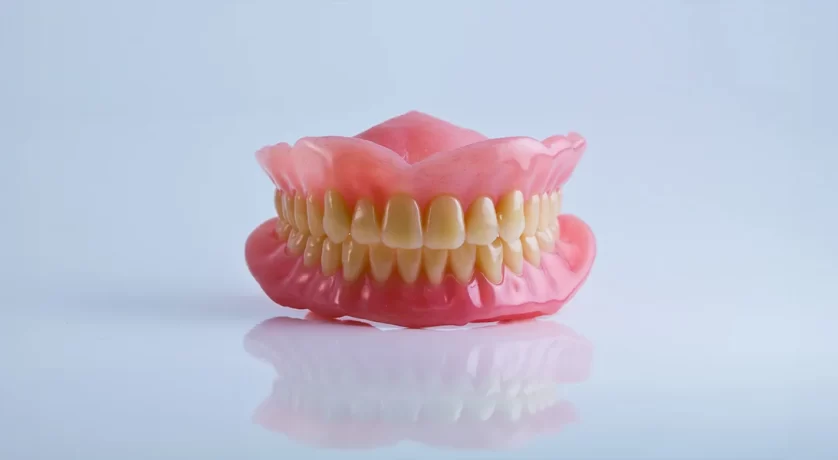
Why Missing Teeth Can Affect Speech and Eating
Your teeth work together with your tongue, lips, and jaw to produce clear speech and chew food efficiently. When all of the teeth are missing, those natural movements change. Certain words may become harder to pronounce, while chewing foods of different textures often requires extra effort.
Many people begin avoiding foods that are difficult to manage, which may limit meal choices over time. Speaking can also feel unfamiliar because the tongue must adapt to a different shape inside the mouth. These changes are common after complete tooth loss and often affect confidence as much as daily function.
Replacing missing teeth helps restore the structure needed for clearer pronunciation, more effective chewing, and better support for the lips and cheeks.
How Complete Dentures Restore Daily Function
Every denture is created to fit the unique shape of your mouth, jaw, and facial features. Before treatment begins, your dentist carefully examines your oral tissues, bite relationship, and overall dental health to determine the most appropriate design for your individual needs.
Properly fitted full dentures restore the ability to bite and chew more effectively while supporting facial contours that may have changed after tooth loss. They also help many people feel more comfortable during conversations because the replacement teeth provide the support needed for clearer speech and a natural-looking smile.
No two treatment plans are identical. Factors such as gum health, jaw shape, previous denture experience, and personal goals all influence how your dentures are designed.
Common Challenges During the Adjustment Period
It is completely normal for dentures to feel unfamiliar at first. Your tongue, cheeks, and facial muscles need time to adjust to the new tooth positions before everyday activities begin to feel natural again.
During the first few weeks, you may notice:
- Mild pressure or tenderness in certain areas
- Extra saliva as your mouth adapts
- A feeling of fullness while wearing the dentures
- Temporary changes in pronunciation
- Less confidence when chewing certain foods
Patients from nearby communities such as Dundas, Ancaster, and Waterdown often appreciate knowing that follow-up appointments are a routine part of successful denture care.
Tips for Speaking Clearly with New Dentures
Clear speech returns gradually as your mouth adapts to the dentures. Practising at home each day often makes the transition easier.
Helpful techniques include:
- Read aloud for a few minutes every day.
- Slow your speaking pace until pronunciation becomes more consistent.
- Practice words containing “S,” “F,” and “TH” sounds, which may feel different at first.
- Wear your dentures as instructed so your muscles can adapt to their new position.
- Attend scheduled review appointments if speech difficulties continue or the dentures begin to feel unstable.
Most people notice steady improvement within the first several weeks as their tongue and facial muscles learn to work comfortably with the new dentures.
Eating Comfortably with Full Dentures
Learning to eat with new dentures takes time, but the process becomes easier with regular practice. Start by eating softer foods in small pieces and slowly reintroduce firmer textures as your mouth adapts.
Very hard, sticky, or chewy foods may feel challenging during the early stages of adjustment. If chewing remains uncomfortable or your dentures shift while eating, arrange a follow-up visit instead of trying to adapt to an appliance that may need adjustment.
When Implant-Supported Dentures May Be a Better Option
Conventional dentures restore function for many people, but some patients prefer additional stability during eating and speaking. In appropriate cases, implant-supported dentures gain added stability by connecting to dental implants that are securely placed within the jawbone.
Whether this option is suitable depends on factors such as bone support, gum health, medical history, and your treatment goals. After a comprehensive assessment, your dentist will explain whether implant-supported dentures are an appropriate choice for your situation.
For patients replacing only one missing tooth, single tooth implants may be recommended instead of a full denture, depending on the condition of the surrounding teeth and supporting bone.
When to Visit a Dentist for Denture Adjustments
A new denture should become more comfortable as your mouth adapts. If discomfort continues or the fit changes, your dentures should be assessed rather than tolerated.
Arrange a dental appointment if you notice:
- Persistent sore spots
- Dentures moving while speaking or eating
- Difficulty chewing despite regular wear
- A loose or unstable fit
- Visible cracks or damage
When choosing a denture clinic in Hamilton, look for a provider who includes routine follow-up care as part of treatment. Ongoing reviews help maintain comfort, monitor changes in the supporting tissues, and determine whether adjustments are needed. Visiting an experienced dentist in Hamilton also supports long-term oral health by ensuring your dentures continue to fit as your mouth changes over time.
If you would like to see how customized treatment can improve both appearance and function, the denture transformation before-and-after pics on the website provide examples of different restorative outcomes.
Final Thoughts
Adjusting to dentures is a gradual process, but most people regain confidence in speaking and eating as they become familiar with their new smile. Consistent follow-up care, realistic expectations, and a properly fitting denture all contribute to long-term comfort and daily function. A consultation at Lily Dental allows your dentist to examine your oral health, answer your questions, and create a personalized treatment plan designed to restore comfort, function, and confidence.
Frequently Asked Questions
The adjustment period varies from person to person. Many patients notice steady improvement over several weeks as the tongue, cheeks, and facial muscles adapt to the dentures.
Most people gradually return to a wider variety of foods by introducing different textures over time and following their dentist's recommendations during the adjustment period.
Yes. Some words may feel different at first, but regular practice and a properly fitting denture usually help your speech become clearer as your mouth adapts.
Persistent sore spots, looseness, movement while chewing, or discomfort that does not improve are all signs that your dentures should be evaluated.
Regular dental checkups remain important after tooth loss. Routine examinations allow your dentist to assess the fit of your dentures and monitor the health of your gums and underlying oral tissues.